

The City
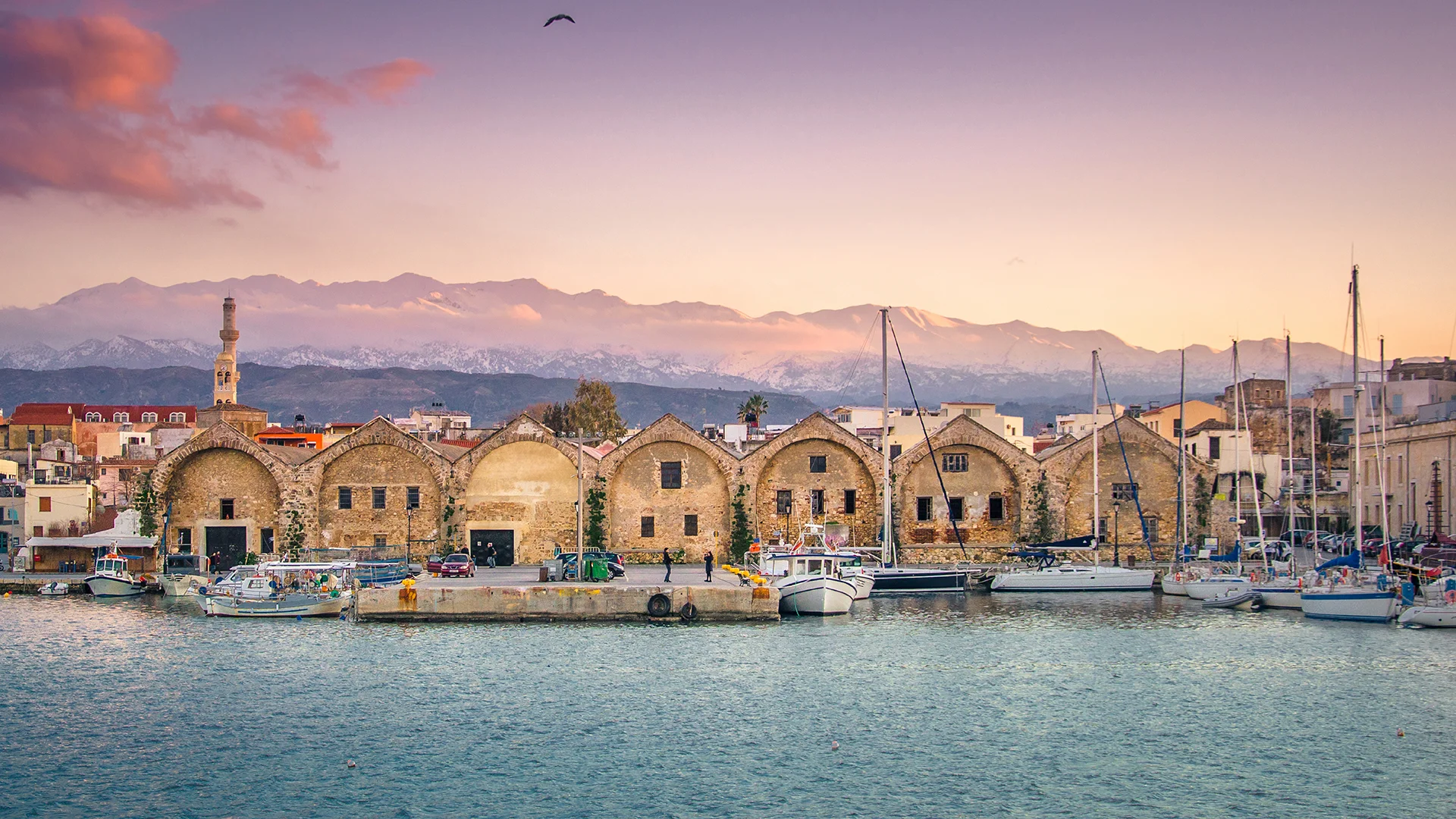
Chania - Crete
Nestled on the northwest coast of Crete, Chania is a city where rich history meets natural beauty and vibrant modern life. As the second largest city on Greece’s largest island, Chania offers a unique blend of cultural heritage, stunning landscapes, and contemporary amenities, making it a captivating destination for travellers from around the world.
Historical and Cultural Highlights
Chania offers a wealth of historical landmarks and cultural experiences, reflecting the city’s rich Venetian, Ottoman and Greek heritage. The following are some of the city’s key highlights.
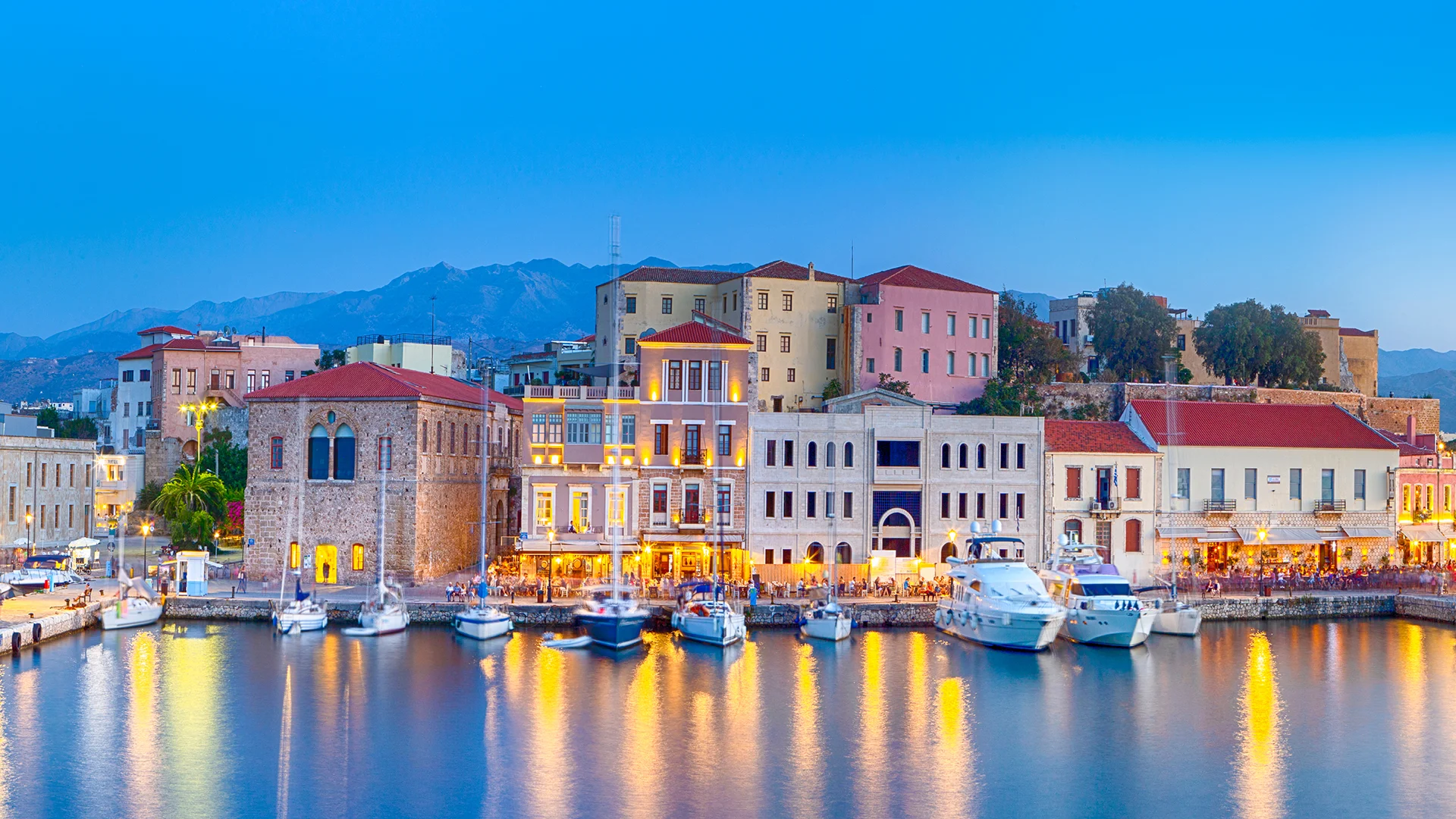
Old Venetian Harbour
The historic heart of Chania, the Old Venetian Harbour is renowned for its picturesque waterfront, historic architecture and blend of Venetian and Ottoman influences.
- Venetian Lighthouse: One of the city’s most recognisable landmarks, reflecting Chania’s long maritime history.
- Firka Fortress and the Maritime Museum of Crete: A historic Venetian fortification at the entrance to the harbour, housing exhibits dedicated to the maritime history of Crete and Greece.
- Mosque of the Janissaries (Yiali Tzami): A distinctive Ottoman-era monument overlooking the harbour, representing an important part of Chania’s architectural heritage.
Old Town
Chania’s Old Town is a charming network of narrow streets, historic buildings, traditional shops and cafés, offering visitors a glimpse into the city’s multicultural past.
- Archaeological Museum of Chania: Located in the historic district of Chalepa, the museum presents archaeological finds from western Crete, spanning periods from prehistoric times to the Roman era.
- Splantzia Square: A historic square featuring the Church of Saint Nicholas, notable for its distinctive combination of a bell tower and a former minaret.
- Municipal Market (Agora): Chania’s landmark market building, historically associated with local produce and Cretan gastronomy. Visitors should check its current opening arrangements before planning a visit.
Halepa District
The historic district of Halepa is known for its elegant neoclassical architecture and its connection to important figures and events in modern Greek history.
- House of Eleftherios Venizelos: The former residence of Eleftherios Venizelos, one of modern Greece’s most influential political leaders, offering insight into his life and legacy.
- Church of Agia Magdalini: A distinctive historic church known for its architectural character and its association with the history of the Halepa district.
Culture & Lifestyle
Belgrade is celebrated for its lively atmosphere and authentic spirit. Visitors can stroll along the elegant Knez Mihailova pedestrian street, discover the artistic and bohemian charm of Skadarlija, explore world-class museums and galleries, or experience the city’s thriving café culture. Throughout the year, concerts, exhibitions, festivals and cultural events bring the city to life.
Cuisine
Chania cuisine reflects the island’s cultural heritage, geographical diversity, and Mediterranean influences, making it a true gastronomic delight. Emphasizes fresh, local, and seasonal ingredients, which are the cornerstone of Mediterranean cooking.
Key ingredients of local cuisine include:
- Cretan olive oil
A staple, used generously in cooking, dressings, and as a finishing touch on various dishes.
- Vegetables and Greens
The region’s fertile soil produces an abundance of vegetables, including tomatoes, zucchini, eggplants, and wild greens like horta (edible weeds).
- Legumes.
Lentils, chickpeas, and beans are commonly used in soups and salads, contributing to the region’s nutritious offerings.
- Cretan Cheeses
Local cheeses, such as graviera, mizithra, and feta, are integral to many dishes, providing rich flavors and textures.
- Herbs
Fresh herbs like oregano, thyme, rosemary, and mint are used to enhance the natural flavors of dishes.
- Seafood
Chania’s coastal location ensures a plentiful supply of fresh fish, octopus, and squid, often prepared simply to highlight their flavors.
- Meat
While vegetables are prominent, lamb, goat, and pork are used in traditional dishes, particularly during festive occasions.
Signature dishes of Chania’s cuisine are:
- Dakos
Salad featuring barley rusks topped with diced tomatoes, crumbled feta or mizithra cheese, olives, and a drizzle of olive oil, garnished with oregano. This dish epitomizes the freshness of Cretan ingredients.
- Kalitsounia
Small pastries filled with cheese, wild greens, or a mixture of both. These delicious bites are often served as appetizers or snacks during celebrations and family gatherings.
- Boureki
A savory pie made with layers of zucchini, potatoes, and mizithra cheese, baked with olive oil and herbs. This dish is a testament to the region’s agricultural bounty.
- Chaniotiko Boureki
Similar to boureki but often includes a layer of phyllo dough and is specific to the Chania region.
- Moussaka
A classic Greek dish made with layers of eggplant, minced meat, and béchamel sauce. Chania’s version often incorporates local spices and herbs, enhancing its flavor profile.
- Tsigaristo
A hearty lamb or goat stew, slow-cooked with wild herbs and spices, often served with potatoes. This dish is a comfort food staple in Cretan households.
- Sarikopitakia
Cheese-filled pastries shaped like a “sariki” (traditional Cretan headscarf), often served as a meze. These flaky treats are enjoyed at social gatherings.
Natural Highlights
Chania is renowned for its breathtaking natural beauty and diverse landscapes, offering a unique combination of stunning beaches, crystal-clear waters, dramatic cliffs and lush greenery.
- Elafonissi Beach
Famous for its pink-tinged sand and shallow turquoise waters, Elafonissi is one of the most beautiful beaches in Crete. Its fragile ecosystem and rare flora make it an important protected area within the Natura 2000 network.
- Falassarna Beach
Located on the western coast of Chania, Falassarna is known for its expansive sandy beaches, crystal-clear waters and spectacular sunsets. Visitors can enjoy swimming, sunbathing and seasonal water sports.
- Balos Lagoon
Balos is a spectacular lagoon featuring white sand and vivid turquoise waters. Visitors can reach it by boat from Kissamos or by road followed by a walk, enjoying breathtaking views of the surrounding coastline.
- Seitan Limania
Nestled between steep rocky cliffs on the Akrotiri Peninsula, Seitan Limania is a secluded cove famous for its deep-blue waters and dramatic scenery. Access involves a steep walk, so suitable footwear is recommended.
- Gramvousa Islet
Located near Balos Lagoon, Gramvousa combines striking coastal scenery with a historic Venetian fortress overlooking the sea. It is a popular stop on boat excursions departing from Kissamos.
- Samaria Gorge
Located in the White Mountains (Lefka Ori), Samaria Gorge is one of Crete’s most impressive natural landmarks. The approximately 16-kilometre hiking route passes through dramatic cliffs, rich biodiversity and unique landscapes before reaching the coastal village of Agia Roumeli. Access is seasonal and subject to official safety announcements.
- Botanical Park and Gardens of Crete
Located near the village of Fournes, a short drive from Chania, the Botanical Park and Gardens of Crete showcase a diverse collection of plants and trees from Crete and other regions. Visitors can enjoy scenic walking trails and discover the island’s rich botanical diversity.